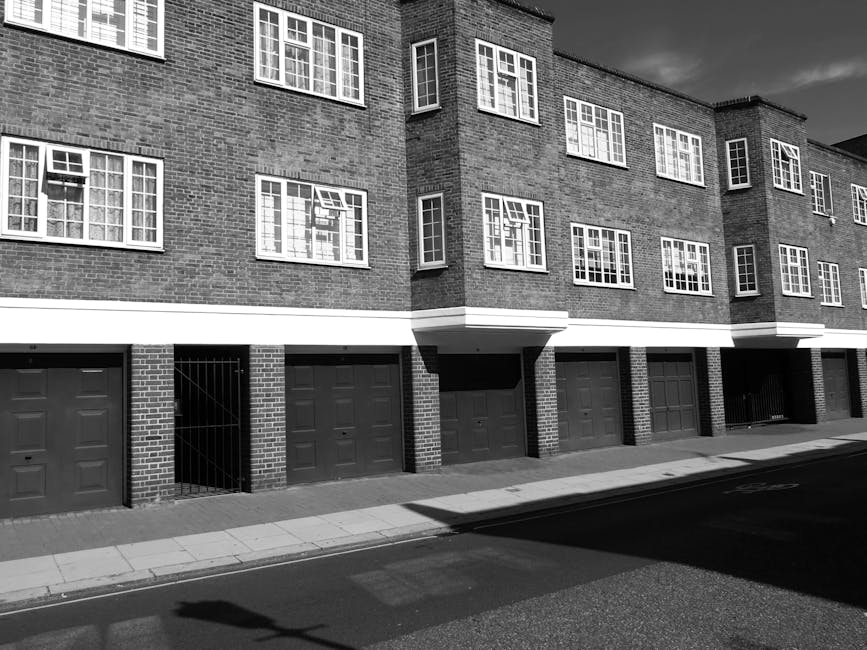
Moving in Lambeth can be straightforward on paper and then, very quickly, become a bit of a puzzle in real life. Tight stairwells, awkward parking, controlled entry, lift restrictions, courtyard gates, narrow paths, and busy estate layouts can all turn a normal moving day into a slow one. If you are dealing with access problems on council estates and removal solutions Lambeth, the good news is that most of these issues can be planned for properly. You do not need a miracle. You need the right approach, the right timing, and a removals team that understands local conditions.
This guide breaks down the most common access barriers on council estates, what actually works on moving day, and how to avoid the kind of small mistakes that end up wasting half the morning. We will look at practical solutions, sensible planning steps, and when services like man and van support, flat removals, same day removals or storage can make life much easier. Truth be told, a good move on an estate often comes down to the boring bits done well.
Table of Contents
- Why Access problems on council estates and removal solutions Lambeth Matters
- How Access problems on council estates and removal solutions Lambeth Works
- Key Benefits and Practical Advantages
- Who This Is For and When It Makes Sense
- Step-by-Step Guidance
- Expert Tips for Better Results
- Common Mistakes to Avoid
- Tools, Resources and Recommendations
- Law, Compliance, Standards, or Best Practice
- Options, Methods, or Comparison Table
- Case Study or Real-World Example
- Practical Checklist
- Conclusion
- Frequently Asked Questions
Why Access problems on council estates and removal solutions Lambeth Matters
Access issues matter because they affect almost every part of a move: timing, labour, cost, safety, and even whether the move finishes on the same day. On a council estate, the problem is rarely just "where does the van park?" It is usually a combination of things. A truck may not fit into the turning space. The nearest legal loading point may be farther away than you expected. The lift may be small, shared, or unavailable. The route from the vehicle to the front door might involve steps, locked doors, or a long walk across internal walkways.
That sounds frustrating because it is. But it is also manageable. In Lambeth, where residential layouts vary from compact estates to mixed-height blocks and older housing stock, a move needs to be designed around the building rather than forced through it. If you ignore the access side, the day can spiral: moving crews stand around waiting, furniture gets carried farther than expected, and fragile items face more handling than they should. Nobody wants a sofa dragged through a tight corridor while everyone is holding their breath.
Expert summary: the safest and most efficient removals plan is the one that treats access as a core part of the job, not an afterthought. If the route from van to door is difficult, the moving method should change to suit it.
This is also where local knowledge helps. A team that regularly works in Lambeth will usually be quicker at spotting the hidden obstacles: whether a service road is actually usable, whether estate gates need prior arrangement, or whether a small vehicle will save time and effort compared with a larger truck. That local judgement makes a real difference.
How Access problems on council estates and removal solutions Lambeth Works
In practical terms, solving access problems is a planning exercise. You identify the obstacles, match them with the right equipment and labour, and then set the move up so the shortest, safest route does the most work. It is a simple idea, but the details matter. Let's face it, moving a wardrobe up three tight flights is a lot different from rolling a few boxes from a driveway into a van.
What counts as an access problem?
- No legal parking close to the block or entrance
- Narrow roads or estate roads with limited turning space
- Restricted lifts or lifts that are too small for bulky items
- Long walking distance from vehicle to door
- Stairs, split-level entries, or level changes
- Controlled entry systems, key fobs, or concierge check-in
- Time limits for loading and unloading
- Shared walkways where trolleys or large items can block access
These issues are common enough that they should be expected, not treated as unusual. A removal team may respond by using a smaller van, bringing extra carrying equipment, splitting the load into two trips, or sending a team with better manual handling experience. Sometimes the solution is simply to book a longer slot so the job is not rushed.
What happens before moving day?
A well-run move starts with a clear access assessment. This can be as basic as photos, notes, a quick video walkthrough, or a conversation about the block layout. If you are moving from an estate flat, it helps to mention floor level, lift size, door widths, parking limitations, and whether you need to move large items like wardrobes, sofas, beds, or a piano. If the job involves a business unit or an office on a managed estate, the same logic applies, only with more moving parts.
Often, you will also be asked about packing. A move with a lot of loose items and awkward boxes takes longer to carry and stack safely. Services like packing and boxes or packing and unpacking services can reduce the number of separate handling risks, which is especially useful where access is tight.
How the solution is chosen
The right solution usually depends on three things: distance, volume, and risk. If the building access is poor but the property is small, a removal van or man with van arrangement may be enough. If the move is larger or includes heavier furniture, a bigger vehicle or a full moving truck might be more practical, even if the vehicle itself cannot park right at the door. Sometimes a mixed approach works best: a larger lorry for main transport, with a smaller vehicle or hand-carry transfer for the final access stretch.
Key Benefits and Practical Advantages
When access problems are handled properly, the benefits are very obvious on the day. The move feels calmer. Items are handled fewer times. People spend less energy walking back and forth. And the whole thing tends to finish with fewer surprises, which is always welcome.
- Less physical strain: shorter carry routes and the right handling plan reduce unnecessary lifting.
- Lower risk of damage: fewer awkward turns and fewer repeated lifts mean fewer accidents.
- Better time control: a move that is planned around the estate layout is less likely to run over.
- Cleaner coordination: if parking, entry, and lift use are planned in advance, everyone knows what to do.
- Fewer delays: estate restrictions, loading bays, and permit-style limitations are easier to manage when they are anticipated.
There is another benefit that people sometimes overlook: confidence. If you know the route has been thought through, the move does not feel like a gamble. You can focus on checking rooms, meeting your deadline, and dealing with the unavoidable small chaos that comes with moving day. That matters more than it sounds.
For customers with mixed or tricky belongings, a move can also be broken into stages. Furniture can be moved first, then boxes, then less urgent items can go to storage if the new place is not ready. That approach is especially useful when access is awkward at one end of the move and simple at the other.
Who This Is For and When It Makes Sense
This topic is relevant to a wide range of people. If you live on a Lambeth council estate, manage a flat move, or handle a move for someone else, the access question is probably more important than the packing question. A nice row of labelled boxes will not help much if the van cannot get near the building.
It makes sense for:
- tenants moving between council estate flats
- families moving with children, pushchairs, and lots of everyday belongings
- older residents who want a calmer, less physically demanding move
- students moving in or out of compact housing, especially with shared access routes
- landlords or letting agents arranging quick turnarounds
- small offices or home offices moving from managed estate buildings
- people with bulky furniture, instruments, or fragile items
If your move includes large beds, wardrobes, or delicate items such as a piano, then specialised handling becomes even more relevant. In those cases, services like piano removals or a more carefully planned house removals service may be the safer route. Not every move needs the same setup, and honestly, that is where a bit of judgement saves a lot of grief.
It also makes sense when time is tight. If you are moving out of a flat and only have a short window for loading, a poorly planned access route can wreck the schedule. In that case, a smaller, faster vehicle option or even same day removals may be a better fit than a larger, more cumbersome setup.
Step-by-Step Guidance
Here is a practical way to approach access problems before moving day. Keep it simple. The process is more effective when it is clear.
- Map the route from home to vehicle. Measure the distance from the flat door to the nearest realistic loading point. Include stairs, gates, corners, and any doors that need a key or fob.
- Check the size of the biggest item. A sofa or wardrobe can be the thing that changes the whole plan. If it barely fits through the door, the lift and hallway matter a lot more.
- Take photos and short videos. A few images of the entrance, stairwell, parking area, and lift can be worth far more than a long explanation.
- Confirm timing restrictions. Some estates have busier windows, controlled access times, or road layouts that make morning moves smoother than afternoon ones.
- Choose the right vehicle and crew. A smaller van may beat a bigger truck if access is limited. Bigger is not always better. It is just bigger.
- Plan packing around access. Use stronger boxes, fewer loose items, and label anything fragile or awkwardly shaped.
- Set aside essential items separately. Keep documents, chargers, medication, keys, and a kettle bundle somewhere easy to reach. The kettle, by the way, is often the hero of the day.
- Prepare for a fallback option. If the ideal parking spot is blocked or the lift is out, know the backup plan: hand-carry, trolley, or two-step loading.
That last point is important. A move goes better when there is a Plan B that does not feel improvised at the roadside while everyone is already tired.
Expert Tips for Better Results
Here are a few things that make a noticeable difference in real moving jobs, especially on estates where access is tight and there is not much room to improvise.
Use smaller loads rather than overpacking
Large, overfilled boxes are awkward on stairs and harder to stack safely in a van. A slightly more modest box often moves faster and causes fewer problems. A box that can actually be carried without wobbling is worth its weight in gold, really.
Keep communal spaces protected
Hallways, lifts, and entrance areas are shared spaces. Using covers, careful handling, and clean routing helps avoid damage and complaints. It also keeps relations with neighbours on a better footing, which is never a bad thing on a close estate.
Tell the removals team about the awkward stuff early
If there is a large mirror, a heavy chest, an exercise bike, or a sofa that has to twist at a strange angle, say so up front. It is much easier to plan for awkward items before the van turns up. After the fact, not so much.
Book enough time
Rushed moves tend to become clumsy moves. If the access is difficult, allow extra time for carrying and loading. It is usually cheaper than paying for unnecessary stress and delays.
Ask about insurance and handling approach
You want a team that takes safety seriously and is clear about how they handle breakable items, tight manoeuvres, and difficult access. A useful starting point is the company's insurance and safety information and health and safety policy. Those pages can help you judge whether the service is set up for careful, professional work.
Common Mistakes to Avoid
Most access problems become much worse because of a handful of avoidable mistakes. The good news is that these are easy to sidestep once you know what to watch for.
- Assuming the van can park anywhere: estate access is not the same as a private driveway. Never assume.
- Forgetting to mention a lift restriction: if the lift is small or unreliable, say so early.
- Underestimating walking distance: a "short walk" on paper can feel like a marathon when you are carrying a wardrobe leg.
- Not checking for entry controls: fobs, coded gates, and intercoms can slow everything down if no one is ready for them.
- Leaving packing until the last minute: rushed packing creates awkward loads and slows the whole move.
- Choosing the wrong vehicle size: too large can mean access trouble, but too small can mean extra trips. Balance matters.
- Ignoring neighbours and shared areas: a bit of courtesy goes a long way in communal settings.
One small but common issue: people often say "the van will sort itself." It will not. Vans are helpful, but they are not psychic. A little detail up front is much better than standing in the rain trying to work it out at 8:15 in the morning.
Tools, Resources and Recommendations
You do not need fancy kit to manage a tricky estate move, but a few practical tools can make the process smoother.
- Measuring tape: useful for checking door widths, lift openings, and furniture dimensions.
- Phone camera: a quick visual record of access points is often enough for planning.
- Labels and marker pens: clear box labels reduce time wasted searching later.
- Furniture blankets and straps: these help protect items while navigating tight spaces.
- Trolley or sack truck: helpful when the route involves a longer walk from vehicle to entrance.
- Spare bags for loose items: useful for last-minute bits and everyday objects that otherwise slow the move.
On the service side, the most useful pages are often the ones that help you think through the move properly before you book. If you are comparing move styles, removal services, removals, and removal companies information can help you understand the service range. If you are moving a home, home moves and house removalists may be worth reviewing.
For lighter or quicker jobs, especially where access is awkward but volume is modest, a man with a van or man with van option may be the most practical. It is often about fit, not flash.
Law, Compliance, Standards, or Best Practice
When access is difficult, best practice is not just about speed. It is about safety, respect for shared spaces, and proper handling. In the UK removals context, that usually means working in a way that avoids preventable damage, minimises risk to people and property, and follows sensible manual handling practices.
If a building is managed, there may be local procedures for booking lifts, protecting communal areas, or using loading zones. These can vary, so it is wise to confirm them before the move. You do not want to discover a booking rule after the team has already arrived. Small thing, big impact.
A professional removals company should also be clear about payment handling, terms, complaints, privacy, and general service expectations. These are not glamorous topics, but they matter. If you are checking trust signals, pages such as payment and security, terms and conditions, privacy policy, and complaints procedure are all useful. A transparent provider tends to be easier to work with when access gets fiddly.
There is also a broader duty of care around sustainability and ethical practice. Where possible, a company should consider responsible disposal, re-use, and reduction of waste. If that matters to you, a page on recycling and sustainability is a reassuring sign that the business takes the bigger picture seriously.
Options, Methods, or Comparison Table
Different access problems need different solutions. Here is a simple comparison to help you think it through.
| Move option | Best for | Strengths | Limitations |
|---|---|---|---|
| Man and van | Smaller flats, lighter loads, short-distance moves | Flexible, easier in tight access areas, quick to arrange | May not suit very large loads or heavy furniture |
| Removal van | Standard home moves with moderate volume | Good balance of capacity and manoeuvrability | Still needs sensible parking and loading access |
| Moving truck | Larger household or commercial loads | More capacity, fewer trips | Can be harder to position on tight estates |
| Flat removals | Upper-floor or apartment moves | Designed for stairs, shared areas, and compact layouts | Needs careful planning for lifts and walk routes |
| Storage plus staged move | Moves with timing gaps or access bottlenecks | Reduces pressure on the day, keeps things flexible | Requires extra coordination and possibly extra cost |
There is no single best option for everyone. A one-bedroom flat on an estate with no direct parking will not need the same setup as a full family house or an office relocation. The smartest choice is the one that fits the access, not the other way around.
Case Study or Real-World Example
Here is a realistic example. A couple moved out of a second-floor flat on a Lambeth estate. The building had a shared entrance, a lift that could take boxes but not a bulky wardrobe, and no convenient parking directly outside the block. They initially thought a larger vehicle would save time. In practice, it would have made the access worse because the van would have been too awkward to position close enough.
The better plan was a smaller moving vehicle, early arrival, and a clear split between items that could go through the lift and items that needed manual carry. The wardrobe was disassembled first, soft furnishings were wrapped properly, and the boxes were stacked in a way that kept the path clear. There was a short delay while another resident used the lift, which happens, because life does not always align to a moving schedule. But the move still finished in a tidy, manageable way.
What made the difference? Not brute force. Preparation. The team knew where the bottlenecks were before they began, and the clients had already packed the essentials separately. The whole thing felt less like a scramble and more like a sequence. That is what you want on estate moves, especially when access is limited.
Practical Checklist
Use this checklist a few days before the move. It keeps the process grounded.
- Confirm the full address and block entrance details
- Check parking, loading, and access restrictions
- Measure the largest furniture items
- Note stair count, lift size, and corridor width
- Take photos of the entrance and route
- Ask whether keys, fobs, or codes are needed
- Pack fragile and awkward items separately
- Label boxes clearly by room
- Set aside essentials for the first night
- Tell the removals team about any heavy or valuable items
- Check the company's safety, insurance, and terms information
- Decide whether storage or a staged move would help
- Keep neighbours informed where appropriate
If you can tick most of that off, you are already ahead of the game.
Conclusion
Access problems on council estates do not have to derail a move. In Lambeth, the real trick is to plan the route, choose the right vehicle size, and be honest about the building layout from the start. Once you do that, the move becomes much more manageable. Less guesswork, less stress, fewer nasty surprises.
The best removals approach is often the one that looks slightly unglamorous on paper but works beautifully in practice. Smaller vehicle, careful packing, clear communication, and enough time to do the job properly. Not exciting, perhaps, but it gets you there safely. And that is the point.
If you are weighing up options for a difficult estate move, a careful conversation about access can save a lot of time later. A well-planned move is calmer, cleaner, and far less exhausting. Honestly, that little bit of prep pays for itself.
Get a free quote today and see how much you can save.
Frequently Asked Questions
What are the most common access problems on council estates in Lambeth?
The most common issues are tight parking, long walking distances from the vehicle to the flat, lift restrictions, narrow corridors, controlled entry systems, and stair-only access. Sometimes it is a mix of all of them.
How do removals teams deal with poor parking access?
They may use a smaller vehicle, park legally farther away and carry items by hand or trolley, split the load into smaller trips, or schedule the move for a time when access is less busy.
Is a man and van service enough for a council estate move?
Sometimes, yes. If the load is modest and the access route is tight, a flexible man and van setup can be a sensible choice. For larger moves, you may need more capacity.
Should I choose a larger truck for a difficult estate move?
Not always. A larger truck holds more, but it can be harder to position near restricted estate access. In some cases, a smaller and more manoeuvrable vehicle is actually better.
Do I need to measure the lift before moving day?
Yes, if you can. Measuring lift dimensions, door widths, and the biggest items helps avoid surprises. It is especially important for wardrobes, sofas, beds, and other bulky furniture.
What should I tell the removals company before the move?
Tell them about parking limits, lift availability, stair counts, security entry, long walk routes, heavy items, and any time restrictions. Photos help too, and usually make things much clearer.
Can I use storage if access makes the move too difficult?
Yes. If the new property is not ready, or if access needs to be handled in stages, storage can be a helpful middle step. It reduces pressure on moving day.
What if I need to move quickly because access is only available for a short time?
That is where a fast, well-organised service matters. In some cases, same day removals or a tightly timed plan can help, provided the move volume and access conditions are suitable.
Are council estate moves more expensive because of access problems?
They can be, especially if the job takes longer or needs extra labour. But not every difficult access move costs more. Careful planning, the right vehicle, and clear information can keep things efficient.
How can I make communal areas safer during the move?
Keep pathways clear, protect corners and flooring where needed, avoid blocking shared entrances, and move items in a controlled sequence. Being tidy and courteous helps a lot, and neighbours usually notice.
What paperwork or policies should I look at before booking?
It is sensible to review the company's terms and conditions, payment and security, and insurance and safety information so you know what to expect.
What is the best first step if I am unsure about my estate access?
Send photos, note the floor level, explain the parking setup, and describe the largest items. That gives the removals team enough to suggest the right method without overcomplicating things.