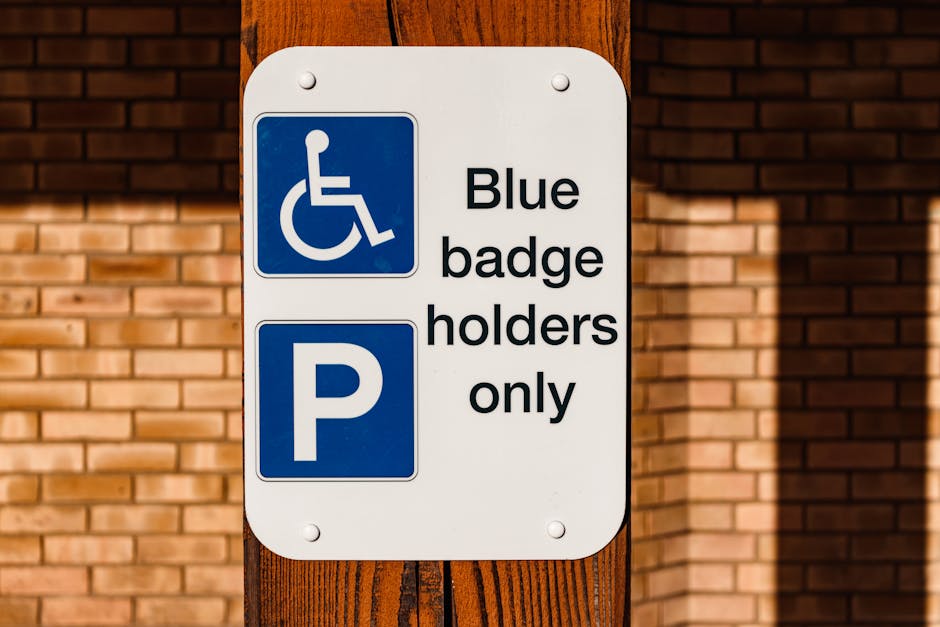
Lambeth council parking permits for removals what to know

If you are moving house, flat, or office in Lambeth, parking can be the bit that causes the most stress. Not the sofa. Not the boxes. Parking. And to be fair, that makes sense: a removal van arriving to find nowhere legal to stop can throw the whole day off. This guide to Lambeth council parking permits for removals what to know explains how the process usually works, why it matters, what to check before moving day, and how to avoid the common mistakes that create delays, fines, or last-minute panic.
Whether you are moving out of a tight terraced street, a block of flats with limited access, or a busy road near peak traffic, the aim is simple: keep the move legal, smooth, and as calm as possible. Let's break it down properly.
Why Lambeth council parking permits for removals what to know Matters
Parking is not just a convenience issue during a move. It can determine whether the crew can load safely, whether your belongings can be handled efficiently, and whether the move happens on schedule. In Lambeth, where streets can be narrow, bays are often controlled, and residential roads may already be busy, a poor parking plan can quickly become a problem.
For removals, the key challenge is access. A van that has to park too far away means more carrying, more time, and more chance of damage. A van that stops illegally risks enforcement, complaints from neighbours, or a ticket. Nobody wants to hear a clamp-like crunch of bad news when the kettle is already packed.
What people often miss is that parking arrangements are not only about the vehicle. They also affect:
- the timing of the move, especially in busy parts of the day
- the safety of movers carrying heavy items across roads or pavements
- the chance of keeping lifts, hallways, and shared entrances clear
- the overall cost if the job takes longer than planned
If your removal is part of a wider home move, it can help to look at broader planning support too, such as home moves or flat removals, because the parking solution should fit the property type, not just the postcode.
How Lambeth council parking permits for removals what to know Works
In plain English, a parking permit or dispensation is there to give a removal vehicle lawful space to stop for loading and unloading where parking restrictions would otherwise apply. The exact process can vary by street, bay type, and local restrictions, so the most sensible starting point is to check the rules for your specific address rather than assuming the street works like the one next door.
In practice, the process usually involves deciding what kind of parking is needed, how long the vehicle will be stationary, and whether the road has resident bays, pay-and-display bays, yellow line restrictions, or limited waiting restrictions. Sometimes a bay suspension or temporary permission may be more suitable than an ordinary permit. Sometimes it is not. That is why details matter.
A removal driver may need to stop directly outside the property, or as close as possible. If that is not feasible, the move may still work, but with more carrying distance and more time. For larger jobs, the difference between being right outside the building and being two streets away is no small thing.
When planning a removal, it is also worth thinking about the type of vehicle you will use. A smaller van, such as a man and van arrangement or a removal van, may be easier to position on a constrained street than a larger lorry. For bigger properties, however, a larger vehicle or even moving truck support may be more appropriate, so parking planning should match the scale of the move.
One practical rule: do not leave parking to the last minute. A move day already brings enough moving parts. You do not need parking to become the plot twist.
Key Benefits and Practical Advantages
Getting the parking side right does more than prevent trouble. It improves the whole move.
- Less wasted time: movers can load and unload without long walks to the vehicle.
- Lower risk of damage: fewer long carries mean fewer bumps, scrapes, and tired mistakes.
- Better safety: heavy furniture is handled over shorter distances, which matters on staircases and pavements.
- Cleaner coordination: the team can keep to a sensible schedule and work around lift bookings or handover times.
- Reduced stress: you are less likely to spend the morning chasing parking options while boxes pile up in the hallway.
There is also a quiet commercial benefit. If your move is for a business, parking planning helps protect staff time, client access, and the continuity of operations. For that kind of move, it can be worth reading about commercial moves or office removals, because office access and parking rules can be even more sensitive than residential ones.
Truth be told, most removals go better when the parking situation is boring. Boring is good here. Boring means legal, tidy, and predictable.
Who This Is For and When It Makes Sense
This topic matters to almost anyone moving in Lambeth, but it is especially relevant if you are:
- moving from a flat on a controlled parking street
- moving into or out of a property with no private driveway
- using a larger van or truck that needs more stopping space
- moving on a weekday when streets are busier
- working to a tight handover or completion timeline
- moving bulky items such as wardrobes, sofas, pianos, or office furniture
If you are a student, the parking puzzle can be slightly different because there are often fewer belongings, but more awkward timing and less spare time. In those cases, student removals are often easier when parking is planned around the building entrance and the move window is kept tight.
It can also make sense for smaller moves. A few boxes and a bed frame may not sound like much, but if the street is tightly controlled, even a short stop can matter. That is where a little prep saves a lot of running around.
Step-by-Step Guidance
Here is a practical way to approach Lambeth removal parking without overcomplicating it.
- Check the property access first. Look at the street outside the address. Is there a bay, yellow lines, or resident-only parking? Can a van stop without blocking traffic?
- Work out the vehicle size. A small van, medium van, or larger removal truck will have different space needs. Bigger is not always better if parking is tight.
- Decide how long loading will take. A few bags and boxes are one thing; a full family home is another. Be realistic. Most people underestimate this part.
- Confirm whether a permit, dispensation, or bay suspension is needed. The type of permission depends on the restriction, the street, and the timing.
- Build in buffer time. Even if the move is planned for 9:00, things can slip. Lifts are slow. Keys are late. The front door is harder to navigate than you remembered.
- Tell the removal team about access details. Shared entrances, narrow staircases, timed loading bays, and concierge arrangements all matter.
- Keep documents and confirmations handy. If approval or booking details are issued, store them where they are easy to find on move day.
One of the simplest ways to reduce stress is to pair parking planning with packing planning. Services like packing and boxes or packing and unpacking services can take pressure off the moving day schedule, especially if access is time-sensitive.
A practical move day routine helps too. Have a person inside the property and a person near the vehicle if possible. That small coordination can prevent those awkward moments where everyone is waiting for everyone else.
Expert Tips for Better Results
Here are the things that make a real difference in the field, not just on paper.
- Measure the street, not just the property. A generous hallway means very little if the van cannot stop close enough.
- Think about the direction of traffic. In some streets, the best stopping point is not the nearest point to the front door. It is the safest legal point with room to manoeuvre.
- Plan for the weather. Wet pavements, icy steps, or a drizzly London morning can slow things down more than people expect. A bit annoying, but real.
- Match the vehicle to the access. If parking is limited, sometimes a smaller van plus more trips is more practical than forcing one big vehicle into a tight spot.
- Book early where possible. The closer you get to moving day, the fewer options you usually have.
In our experience, the smoothest moves are often the ones where someone thought through the boring bits first. A permit, the right vehicle, the correct timing, and a clear loading plan. Simple. Not glamorous. Effective.
If you want a provider that understands the moving side as well as the local access issues, it can help to compare services such as removal services, removals, or more flexible support like same-day removals when timing has become unexpectedly tight.
Common Mistakes to Avoid
Parking errors tend to be simple, which is exactly why they are so common.
- Leaving permit checks too late: This is probably the biggest one. A same-week move can become awkward fast.
- Assuming a neighbour's setup will work for you: Different property, different restrictions, different outcome.
- Choosing the wrong vehicle size: Too large and you may struggle with parking; too small and you may need extra trips.
- Forgetting about loading time: Five minutes on the calendar can become twenty in real life.
- Ignoring building rules: Some flats and managed buildings have their own access instructions, lift bookings, or move-in time windows.
- Not briefing the movers: If the team does not know where the legal stopping point is, they may arrive and have to improvise.
Another frequent slip is not planning what happens after the van is parked. If the route into the property includes stairs, narrow landings, or long corridors, that should feed into the timing. Otherwise the parking plan is technically right, but practically too optimistic.
And yes, people do forget this stuff. Happens all the time. Moving day has a way of making even sensible adults slightly forgetful.
Tools, Resources and Recommendations
You do not need a complex toolkit to manage removal parking well. What you need is a clear plan and a few simple supporting details.
- Property notes: Write down entrance codes, lift booking times, and any restrictions from the building manager.
- Vehicle details: Know the approximate length and height of the van or truck you are using.
- Move timeline: Keep a rough schedule for loading, travel, unloading, and any key handover.
- Photo references: A quick photo of the street outside the property can be surprisingly useful when discussing access with a removals team.
- Service comparison: If you are deciding between options, pages such as man with a van, man with van, and removal truck hire can help you think about the scale of support you actually need.
If storage is part of your plan because keys, completion dates, or access do not line up neatly, it may also help to consider storage. That can take some pressure off a move when parking, access, or timing is awkward.
For people who want to compare pricing and service scope before committing, pricing and quotes is a sensible place to start. It is always easier to plan parking alongside the total move cost than to treat it as a separate afterthought.
Law, Compliance, Standards, or Best Practice
Parking for removals sits in a space where local restrictions, road safety, and practical moving standards all overlap. You do not need to become a traffic-law expert, but you do need to respect the rules that apply to the street on the day.
Best practice usually means the following:
- do not park in a way that creates danger or blocks access
- respect loading restrictions and timed bays
- keep pavements, entrances, and crossings as clear as possible
- communicate clearly with the removals crew and building management
- choose a lawful solution rather than hoping for the best
There is also a safety angle. Heavy lifting from a badly parked vehicle can increase the risk of strain injuries, dropped items, and blocked sightlines for pedestrians and cyclists. That is why local access planning matters as much as it does. A careful approach is not being fussy; it is being sensible.
For that reason, a trustworthy removals provider should treat parking and access as part of the overall move plan. Supportive policies around health and safety, insurance and safety, and terms and conditions help set expectations clearly. And if you want to understand the company background before booking, about us is worth a look too.
Options, Methods, or Comparison Table
Different moves call for different parking approaches. The right option usually depends on the street, the amount of furniture, and how long the vehicle needs to remain in place.
| Option | Best for | Pros | Watch-outs |
|---|---|---|---|
| Short-stay loading near the property | Small moves and quick collections | Fast, simple, less walking | Only works if the restriction allows it |
| Permit or dispensation-style arrangement | Controlled streets and longer loading | More predictable, closer access | May require advance planning and the correct type of permission |
| Bay-based loading plan | Properties near marked bays | Can keep the vehicle off the carriageway | May depend on availability and timing |
| Smaller vehicle with multiple trips | Tight streets and lighter loads | Easier parking, more flexible | More trips can mean more time overall |
| Larger removal vehicle | Big house or office moves | Fewer journeys, more capacity | Parking and manoeuvring need more care |
For many Lambeth properties, the best solution is not the biggest vehicle or the quickest stop. It is the one that fits the street and the job. Simple, really.
Case Study or Real-World Example
Here is a realistic example. A couple moving out of a second-floor flat in a busy Lambeth street has a sofa, bed, wardrobe, and around thirty boxes. The street has controlled parking, and there is no private driveway. They initially assume the van can "just stop outside for a bit."
That sounds fine until the move is mapped out properly. The stairwell is narrow. There is a lift booking in the building next door that may overlap with their time slot. The van would need to wait close to the entrance, and the crew would need direct access for the heavier furniture. Without the right parking arrangement, the job would drag on and become more tiring than necessary.
Once the access plan is corrected, the move becomes manageable. The team uses the right-sized vehicle, loading starts on time, and the stop is arranged so the lift and hallway are not under pressure. The couple still has the usual moving-day chaos - one missing charger, one slightly crushed box of mugs, the normal stuff - but the parking side is under control. That makes a bigger difference than people expect.
The lesson? A few minutes spent on parking planning can save an hour of hassle later. Sometimes more.
Practical Checklist
Use this before moving day so parking does not become the weak link.
- Confirm the full moving address and access details.
- Check whether the road has resident bays, yellow lines, or timed restrictions.
- Decide what size vehicle will be used.
- Estimate how long loading and unloading will take.
- Ask whether a permit, dispensation, or bay-related arrangement is needed.
- Share parking and access details with the removals team early.
- Check if the building needs lift bookings, access codes, or move-in approval.
- Keep important contact details and confirmations to hand.
- Plan a buffer for traffic, delays, or unexpected access issues.
- Make sure the route from vehicle to property is clear and safe.
If you want a smoother move overall, it is sensible to combine parking planning with the rest of your removal prep. For example, house removals and house removalists are easier to coordinate when parking, packing, and loading are all thought through together.
And if you are not sure what level of help you need, you can compare the scope of removal companies against more hands-on options. Sometimes a lighter service is enough; sometimes not. A good plan beats guesswork every time.
Get a free quote today and see how much you can save.
Conclusion
Lambeth council parking permits for removals what to know really comes down to one thing: do not leave access to chance. If the van can stop legally, close to the property, and for long enough to load safely, the whole move becomes easier. If it cannot, everything else gets harder.
So check the street, match the vehicle to the property, allow enough time, and keep the removals team informed. That is the calm, practical route. Not glamorous, perhaps, but it works. And on moving day, that is what matters.
If you are planning a move soon, take the parking piece seriously now. Your future self, standing in a hallway full of boxes with a much less stressful expression, will thank you for it.
Frequently Asked Questions
Do I always need a parking permit for a removal in Lambeth?
Not always. It depends on the street, the type of restriction, the vehicle, and how long the van needs to stop. Some roads may allow loading briefly, while others require a more formal arrangement.
What happens if the van cannot park right outside my property?
The move can still happen, but the team may need to carry items further, which takes longer and can increase fatigue. That is why planning access early is so useful.
Can a small man and van service avoid parking problems?
Sometimes a smaller vehicle is easier to place, especially on tight streets. But it does not remove the need to check restrictions. A smaller van still has to park legally.
How far in advance should I look at parking for removals?
As early as possible. Ideally, parking and access should be checked when the move date is confirmed, not on the night before. Last-minute checks can leave you with limited options.
Is a bay suspension the same as a permit?
Not necessarily. They serve different purposes in practice. One may reserve or affect a bay, while the other may allow parking or loading under certain conditions. The exact fit depends on the location and restriction.
What if I am moving from a flat with no private parking?
That is very common in Lambeth. It just means access needs a bit more thought. Flat moves often benefit from early parking planning, lift bookings, and clear communication with the removals team.
Can office moves use the same parking approach as home moves?
Sometimes, but not always. Office moves can involve loading bays, staff access, business hours, and building management rules that make the parking plan more complex.
Should I tell the removals team about parking restrictions before booking?
Yes, definitely. If the team knows about tight access, controlled parking, or timed restrictions in advance, they can recommend a better vehicle and a more realistic plan.
What if my moving day is delayed and parking arrangements change?
Let the removals team know immediately. Delays can affect what is legally possible, especially in timed parking zones. A quick update can prevent a small delay from turning into a bigger problem.
Are parking issues more serious for larger removals trucks?
Usually yes, because larger vehicles need more space to stop and manoeuvre. If the street is tight, it may be better to consider a smaller vehicle or a more flexible access plan.
Can storage help if parking or access is difficult on moving day?
Yes. If timings are awkward or the property is not ready, storage can provide breathing room. It is not the first option for every move, but it can be a very practical back-up.
Where can I get help if I want a more structured removals plan?
Start with a provider that offers clear moving support, explains access requirements well, and takes safety seriously. That combination matters more than flashy promises. A tidy plan, in the end, is the real luxury.